
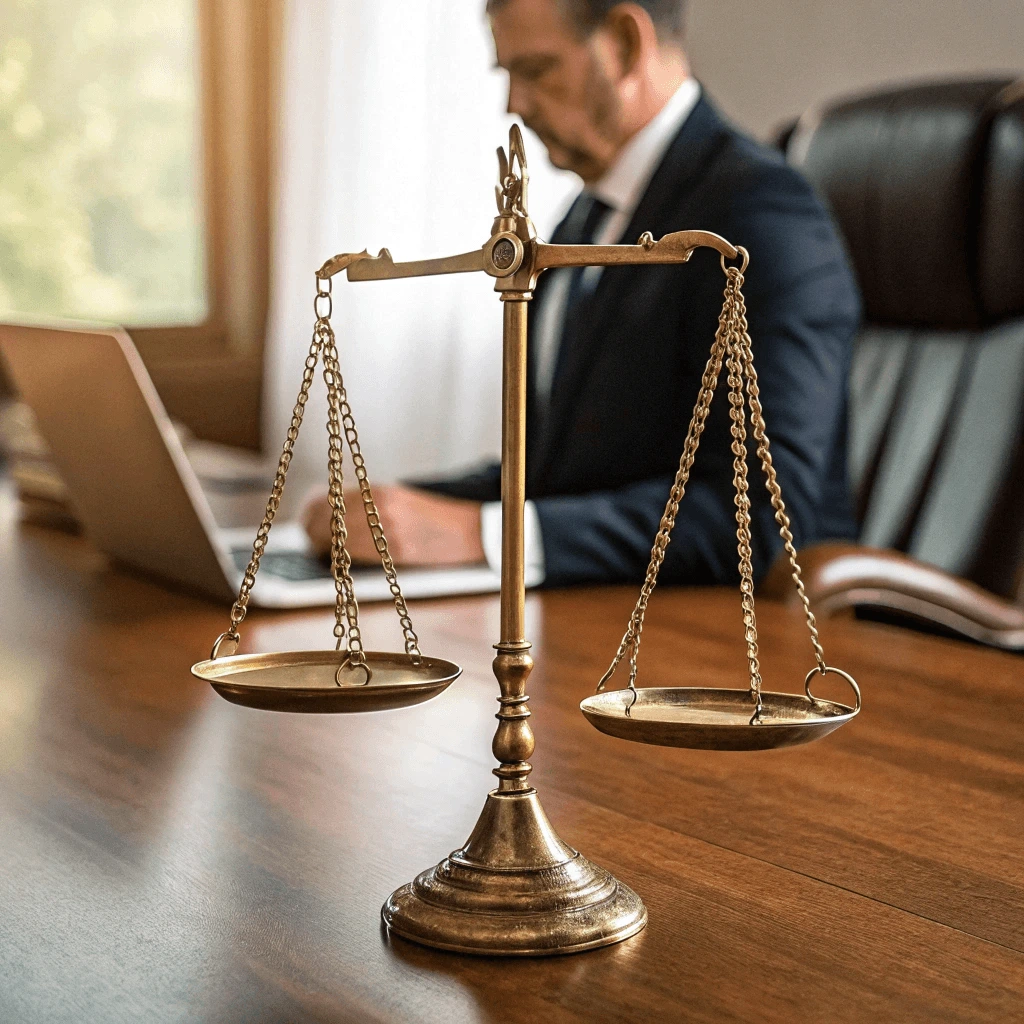
For individuals embroiled in legal disputes, achieving a fair settlement can be a daunting task. Without the expertise of a skilled attorney, navigating the labyrinth of legal procedures and ensuring a just outcome may seem overwhelming. This article will delve into how hiring a trusted attorney can be pivotal in securing settlements that are both fair and comprehensive. We will explore the ways attorneys manage complex legal matters, the factors affecting settlement amounts, the strategic approaches they employ to maximize compensation, and the critical role of communication throughout the process.
How a Trusted Attorney Navigates Legal Complexities

Experienced attorneys are adept at maneuvering through intricate legal landscapes. They utilize tools such as the Docket Management System, which helps track and manage case schedules and deadlines efficiently. This system ensures that all procedural requirements are met, reducing the risk of missing critical court dates or filing deadlines. An attorney’s ability to interpret complex legal doctrines, such as Habeas Corpus and Res Judicata, further empowers them to anticipate and counter potential challenges that may arise during the litigation process.
Moreover, attorneys often rely on Deposition Transcripts to build a robust case. These transcripts provide a detailed account of witness testimonies, which can be pivotal during negotiations or trial proceedings. By meticulously analyzing these transcripts, attorneys can identify inconsistencies or corroborate facts that bolster their client’s position.
Factors That Influence Fair Settlement Amounts
Several factors can sway the determination of a fair settlement amount. A trusted attorney will assess the case’s specifics, including the severity of the damages and the applicable laws, to determine a realistic compensation range. Statutory Interpretation plays a significant role in this assessment, as understanding how statutes apply to the case can influence the outcome.
Attorneys also consider potential liabilities and defenses, such as Tortious Interference or a breach of Fiduciary Duty Assessment, which may impact the settlement value. These considerations require a nuanced understanding of the law to negotiate effectively with opposing parties. Furthermore, attorneys leverage their knowledge of Precedent Analysis to predict how similar cases have been resolved, guiding their strategy in settlement discussions.
Strategies Attorneys Use to Maximize Compensation
Attorneys employ a variety of strategies to ensure their clients receive the highest possible compensation. One common approach is the Discovery Phase, where attorneys gather evidence to build a strong case. This phase may involve issuing a Subpoena Duces Tecum, a legal order compelling the production of documents or evidence, which can be critical in establishing liability or the extent of damages.
Additionally, attorneys often prepare detailed Legal Brief Templates to present their arguments effectively. These briefs outline the legal basis for their client’s claims and are instrumental in persuading judges or mediators. In some cases, attorneys may also engage in a Mediation Settlement Agreement, a process that encourages both parties to reach a mutually acceptable resolution without the need for a trial.
For instance, a recent analysis by michaelwhiteesq.com shows that employing strategic negotiation tactics can increase settlement amounts by up to 25% (Source: Legal Industry Report, 2023). Such strategies ensure that clients not only receive fair compensation but also avoid the stress and expense of prolonged litigation.
The Role of Communication in the Settlement Process
Effective communication is a cornerstone of successful settlement negotiations. Attorneys must maintain open lines of communication with their clients, ensuring they understand the process and are informed of any developments. This transparency helps build trust and allows clients to make informed decisions about their case.
Furthermore, attorneys act as intermediaries between their clients and opposing parties. Their ability to articulate their client’s position clearly and persuasively can have a significant impact on the negotiation process. The Closing Argument, often the final opportunity to influence the decision-makers, is a critical component where effective communication can sway the outcome in favor of the client.
Recent studies from the American Bar Association emphasize that attorneys who excel in communication can enhance client satisfaction and increase the likelihood of achieving favorable settlements (Source: ABA Communication Report, 2022).
Conclusion

Hiring a trusted attorney is a strategic move that can significantly influence the outcome of settlement negotiations. By adeptly navigating legal complexities, understanding the factors that impact settlement amounts, employing strategies to maximize compensation, and maintaining effective communication, attorneys ensure their clients receive fair and equitable resolutions. For those seeking justice in legal disputes, engaging the services of a seasoned attorney can be an invaluable asset.